%201.svg)
5 Unmissable European holiday hotspots for 2026
There’s something timeless about Europe. Maybe it’s the history, the food, or the fact that you can hop from one country to another in a single day. For many Australians, it’s the ultimate long-haul holiday – and in 2026, it’s as popular as ever.

There’s something timeless about Europe. Maybe it’s the history, the food, or the fact that you can hop from one country to another in a single day. For many Australians, it’s the ultimate long-haul holiday – and in 2026, it’s as popular as ever.
Maybe you're picturing Portugal’s beaches, floating along the Rhine, or exploring Florence’s art scene. Planning is key to making your dream trip go smoothly. So here’s everything you’ll want to know – from what’s trending to why Travel Insurance* is more than just a box to tick.
* This blog is not intended to provide personal travel or financial advice. You should consider whether a product is suitable for your needs. Please read our Product Disclosure Statement (PDS) and Target Market Determination (TMD) before deciding to purchase.
Why Europe’s still on the Aussie Bucket List in 2026
A European holiday is a rite of passage for many Australians. It’s the mix of culture, cuisine and coastlines – plus the thrill of waking up somewhere completely new with just a short train ride.
Europe stands out because:
- You get serious cultural variety without crossing oceans between countries
- It’s perfect for slow travel – think scenic train journeys or leisurely river cruises
- The food, the architecture, the history – it’s all within easy reach
But with rising demand, being a well-informed traveller makes all the difference. A bit of smart planning now means smoother sailing once you arrive.
5 Unmissable European hotspots to explore
Europe is full of icons – the Eiffel Tower, the Colosseum, Big Ben – but some of its most memorable moments come from smaller, slower, and less obvious places. If you’re after coastlines or castles, food or fresh air, these five destinations stand out in 2026.
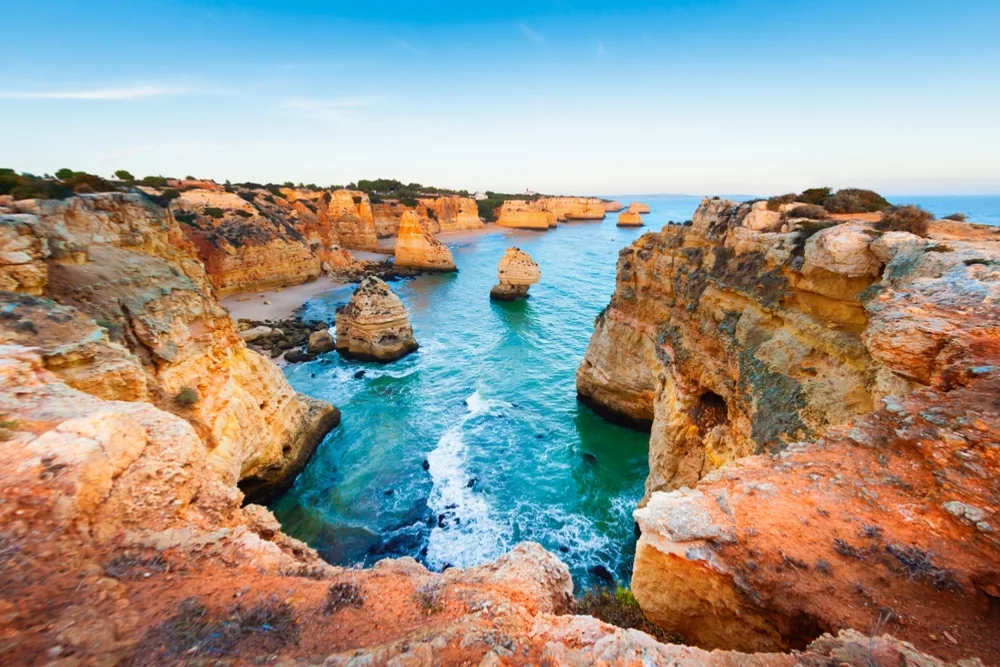
1. Algarve, Portugal – Where it’s always summer
If you’re chasing sunshine, Portugal’s Algarve region is a must. Perched on the country’s southern edge, it’s known for its dramatic cliffs, golden beaches, and charming whitewashed towns. But it’s not just for lounging – there’s a lot to explore if you’re up for a bit of adventure.
Rent a car and head west to discover hidden coves like Praia da Marinha, or visit the colourful market in Loulé. History buffs can explore Moorish castles in Silves, while foodies will love the grilled sardines, fresh octopus, and pastéis de nata from tiny bakeries. And if you’re travelling with kids? Many beaches are family-friendly with calm, shallow water.
Travel tip: Base yourself in Lagos or Tavira for authentic charm and easy beach access. English is widely spoken, making it a smooth entry point into Europe for Australian travellers.
Best time to go: May or September – the weather’s perfect, prices are lower, and the beaches aren’t packed.
2. Germany’s River Routes – The slow way to see Europe
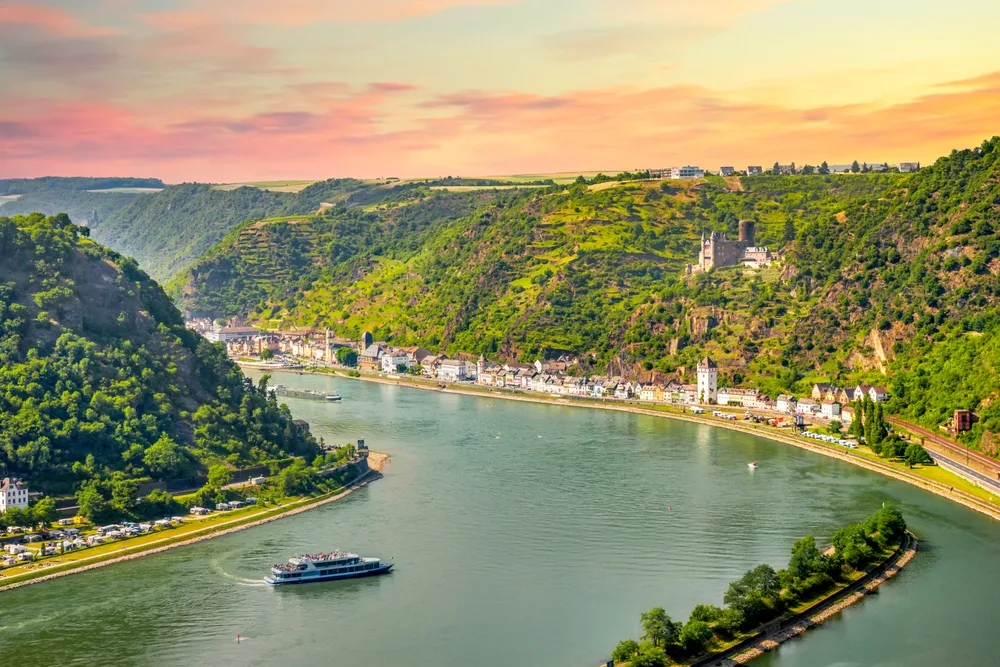
Not all European holidays need to be fast-paced. A river cruise along Germany’s Rhine or Moselle rivers offers a more relaxed way to explore – ideal if you like a bit of luxury with your sightseeing. You’ll float through wine country, medieval villages, and forested valleys, all without the hassle of constant packing or train-hopping.
Highlights include the fairytale town of Cochem, Cologne’s towering cathedral, and the UNESCO-listed Upper Middle Rhine Valley, known for its castles perched on cliffs. Cruises often include guided walking tours, wine tastings, and optional excursions – so you can do as much (or as little) as you like.
It’s especially popular with older travellers, couples, and those with mobility or medical considerations. Many ships now cater to accessibility needs and provide on-board medical assistance if required.
Travel tip: Look for small-ship cruises for a more intimate experience and better access to lesser-known ports.
Best time to go: Late spring to early autumn (May to September). Autumn also brings wine harvest festivals along the Moselle.
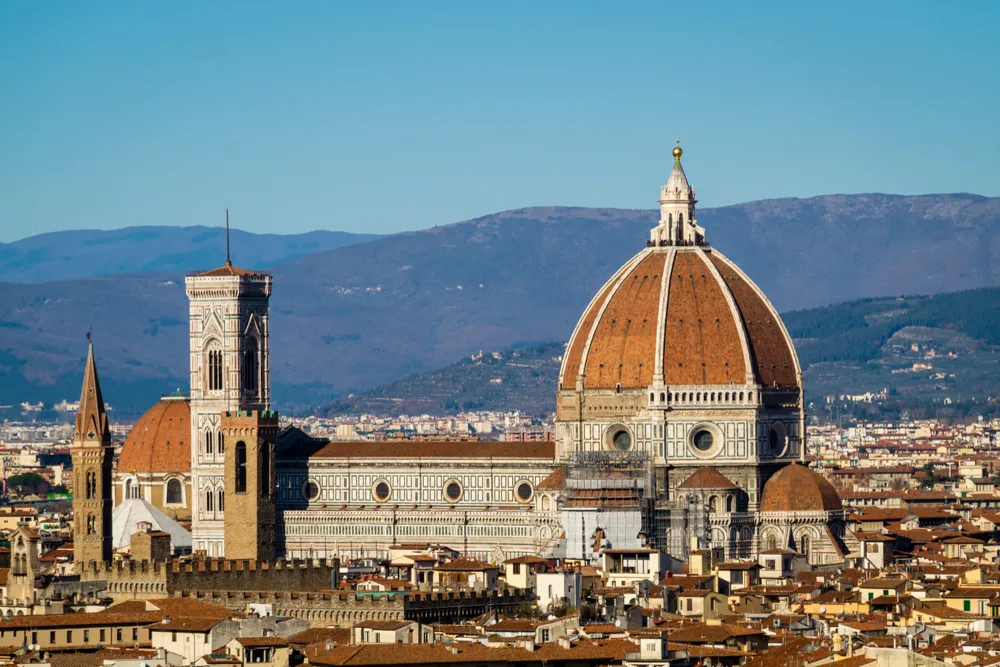
3. Florence, Italy – Art, history, aperitivo
Florence isn’t just a city – it’s an open-air museum. Every laneway seems to lead to a sculpture, a fresco, or a slice of pizza that changes your life. It’s perfect for travellers who love art, food, and a touch of romance.
Start with the big hitters: Michelangelo’s David, Botticelli’s Birth of Venus, and the iconic Duomo. But don’t stop there. Walk across the Ponte Vecchio at sunset, take a cooking class in Oltrarno, or sip an aperitivo on a rooftop bar with views of Brunelleschi’s dome.
Florence is also a brilliant base. Within an hour, you can be in Siena, Pisa, or the Chianti wine region – making it ideal for day trips if you’re staying longer.
Travel tip: Museum queues can be long, especially in summer. Book your tickets online or grab a FirenzeCard for queue-jumping access to major attractions.
Best time to go: April to June and September to October – before and after the summer rush, when the weather is mild, and the city breathes easier.
4. Ljubljana, Slovenia – Europe’s hidden gem
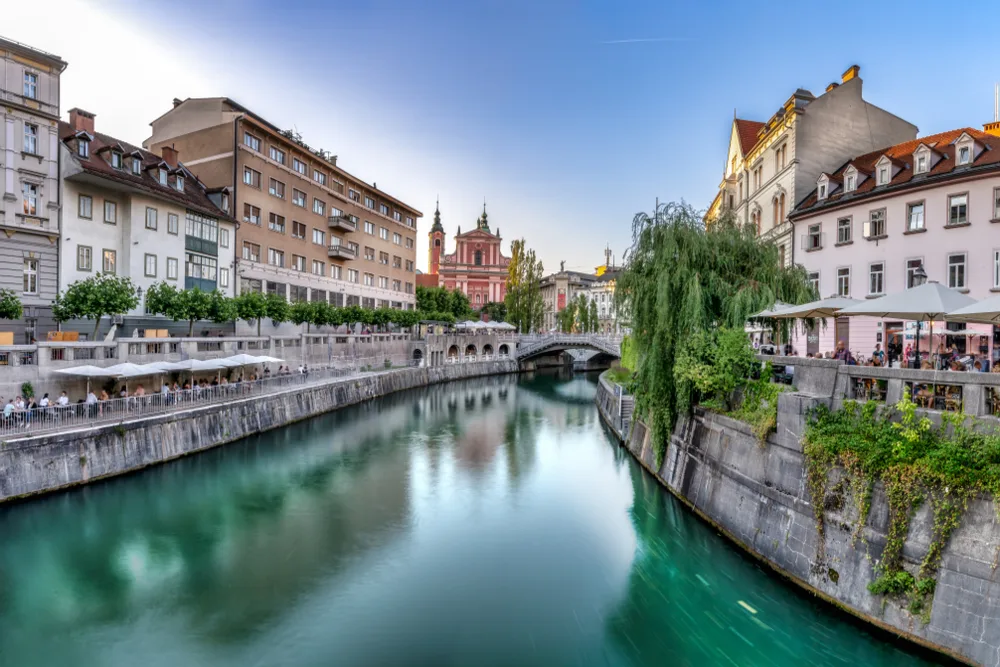
Compact, calm and completely charming, Slovenia’s capital is still flying under the radar – but not for long. Ljubljana is a breath of fresh air if you’re tired of busy cities and looking for something low-key but full of character.
The city centre is largely car-free, making it perfect for walking. Wander along the emerald-green Ljubljanica River, take a paddleboat ride under art-nouveau bridges, or ride the funicular up to the medieval castle for views across the city. Cafés line the riverbanks, street musicians play in the evenings, and the whole place feels like something from a fairy tale.
Plus, it’s a gateway to natural wonders. Lake Bled (with its island church and rowboats) is just 45 minutes away, and the Julian Alps offer world-class hiking, even in the shoulder seasons.
Travel tip: Ljubljana is perfect for older travellers or those wanting a slower pace without missing out on Europe’s beauty and history.
Best time to go: May to October – summer brings festivals, but spring and early autumn are just as lovely.
5. San Sebastián, Spain – Coastal culture meets cuisine
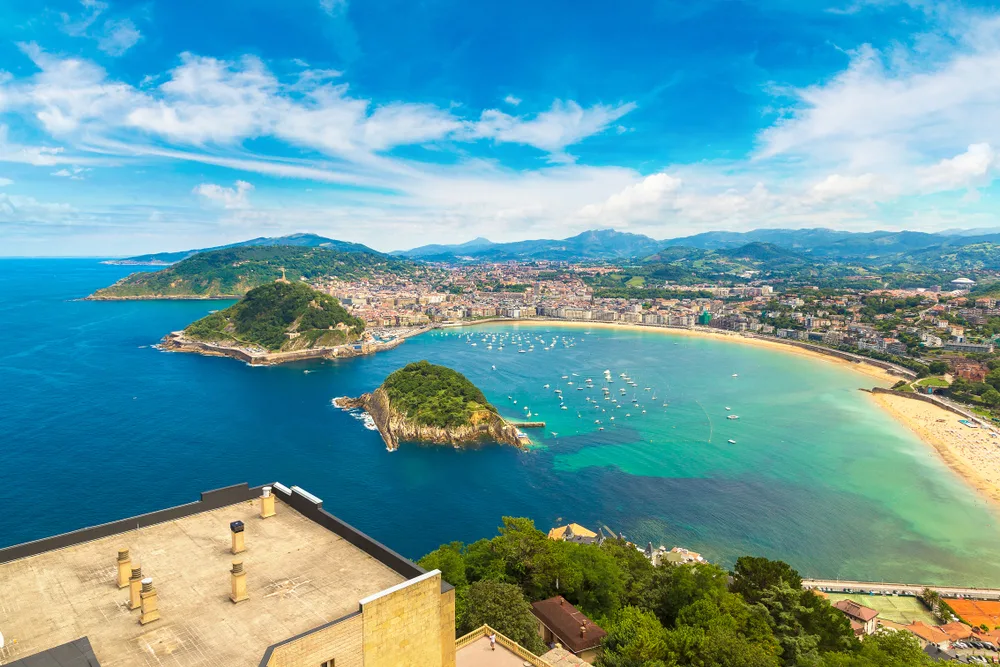
Tucked away in Spain’s Basque Country, San Sebastián (or Donostia) is where beach holiday meets foodie pilgrimage. The city boasts not one but three beaches within walking distance of the Old Town – including La Concha, consistently ranked among Europe’s best urban beaches.
But what really makes San Sebastián famous is the food. It has one of the highest concentrations of Michelin stars per square kilometre – but even the humble pintxos (Basque tapas) served at local bars are world-class. Wander from bar to bar, trying bites like jamón ibérico croquettes, grilled prawns, and stuffed peppers – all washed down with a local cider or wine.
It’s an easygoing place where you can spend the morning at a market, the afternoon by the sea, and the evening indulging your taste buds.
Travel tip: Join a pintxos tour on your first night to get your bearings and local tips. Then go back to your favourites.
Best time to go: June to September for the best weather and festivals, but book early – it’s popular for a reason.
Smart travel tips for Europe in 2026
Europe’s calling – but before you jump on that plane, a bit of prep can go a long way. Here are some commonly recommended tips to help your trip go smoothly, drawn from widely available travel advice and general planning best practice.
1. Plan ahead – but stay flexible
Popular attractions like the Eiffel Tower, Vatican Museums, and Alhambra often book out weeks in advance. Pre-book your must-sees, but leave some space in your itinerary to go with the flow – some of the best discoveries are unplanned.
2. Use tech to your advantage
Download apps like Google Translate, Citymapper, and XE Currency. Many cities also have official public transport and museum apps that make getting around (and in) much easier. And don’t forget to pack a universal adaptor and a portable charger – especially if you're on the move.
3. Trains over planes
Travelling between countries? Europe’s train system is fast, scenic and more relaxed than flying. Book in advance via platforms like Rail Europe or Trainline to lock in cheaper fares. Night trains are also making a comeback – a fun, efficient way to travel and save on accommodation.
4. Pack light, layer smart
Cobblestones, stairs, and small lifts mean you’ll thank yourself for packing lighter. Choose a medium-sized suitcase or backpack and stick to a capsule wardrobe. Layers are key – mornings and evenings can be cooler even in summer.
5. Use a travel-friendly card
Avoid international fees with a debit or credit card that offers no foreign transaction charges. Many Aussie banks now offer travel-specific cards or accounts that make spending in Europe cheaper and easier.
6. Keep digital and paper copies
Make digital backups of your passport, insurance policy, tickets and itinerary. Save them to your phone and cloud. It’s also wise to carry one printed copy – just in case you run into tech trouble or need to show documents offline.
7. Declare your medical conditions when buying Travel Insurance
It’s important to declare any pre-existing medical conditions when applying for Travel Insurance, so you can be properly protected while travelling. This helps make sure your policy reflects your needs and avoids issues if you need to claim.*
* This blog is for general advice only and is not intended to provide personal financial advice. You should consider whether a product is suitable for your needs. Please read our Product Disclosure Statement (PDS) and Target Market Determination (TMD) before deciding to purchase.
8. Know who to call in an emergency
Save local emergency numbers and your insurer’s contact details on your phone (and write them down too). AllClear provides 24/7 medical assistance – so you’re never alone, no matter where you are.
Ready to make Europe happen?
From Portugal’s sunny coast to Slovenia’s secret charm, Europe in 2026 is brimming with unforgettable experiences. No matter if you’re travelling solo, cruising as a couple, or ticking off a lifelong dream, the key to a great trip is good planning and great Travel Insurance.
Important notice
Any advice provided is general in nature and does not take into account your particular needs and circumstances. Before purchasing the insurance, decide whether this product is right for you by reading the combined Product Disclosure Statement and Financial Services Guide. A Target Market Determination for this product is also available.
You should obtain a copy of the Product Disclosure Statement (PDS) and Target Market Determination (TMD) and consider the PDS and TMD before making any decision whether to acquire the general insurance product .*
The PDS and TMD can be obtained at https://www.allcleartravel.com.au/policy-wordings.
This insurance is underwritten by the insurer Europ Assistance Australia Pty Ltd (EAA) ABN 71140219594, AFSL 552106. AllClear Insurance Services Pty Ltd, ACN 165 270 066, trading as AllClear Travel Insurance, is an Authorised Representative (AR number 1311154) appointed by EAA to distribute and administer this insurance product.
Related Posts
Get expert takes on travel trends, safety updates, and destination news to make smarter travel decisions.