%201.svg)
8 Incredible festivals to add to your travel bucket list
Discover eight incredible festivals around the world, plus practical tips to help you plan an unforgettable festival holiday.

Some events are worth building an entire holiday around. They give you a reason to visit somewhere new, experience local traditions and see a destination at its liveliest.
Whether you want to dance through the streets of Rio, see Darwin come alive with art and music or welcome spring beneath Japan’s cherry blossoms, there’s a festival trip for almost every kind of traveller.
The biggest celebrations can also attract enormous crowds. Flights become more expensive, nearby accommodation fills up, and the most popular tickets can disappear months ahead. A little early planning can make the difference between simply arriving and getting the experience you pictured.
Here are eight extraordinary festivals worth adding to your travel bucket list – plus a few practical tips to help you plan your trip.
* Any recommendations made about the insurance is general advice only and doesn't take account of your particular needs and circumstances. You must read the Combined Financial Services Guide and Product Disclosure Statement and Target Market Determination before you decide to buy the travel insurance to ensure that it meets your needs and financial situation. Sub-limits, terms, conditions, and exclusions may apply. Please refer to the PDS for full details. The FSG/PDS also contains information about the Cooling Off Period, and how you can access EAA’s privacy policy and complaints handling procedures.
1. Darwin Festival, Australia
Usually held: August
Best for: Arts, live music, food and warm winter evenings
For 18 days each August, Darwin’s dry-season evenings become a backdrop for music, theatre, comedy, cabaret, dance, visual art and food. Much of the action centres around the relaxed, open-air Festival Park, while performances pop up at venues across the city.
The festival has a strong sense of place, celebrating artists and stories from the Northern Territory alongside acts from across Australia and overseas. It’s also easy to turn your festival visit into a longer Top End holiday, with Litchfield and Kakadu national parks both within reach of Darwin.
Plan ahead: August is one of the most popular times to visit the Top End. Book your flights and accommodation early, particularly if you want to stay close to the city centre.
2. Rio Carnival, Brazil
Usually held: February or March, before Lent
Best for: Samba, spectacular costumes and celebrations on an enormous scale
Few celebrations match the energy of Rio Carnival. The headline spectacle takes place at the Sambadrome, where samba schools parade with elaborate floats, costumes, dancers and percussionists after preparing for much of the year.
Away from the Sambadrome, street parties known as blocos bring music and dancing to neighbourhoods across Rio de Janeiro. Some are huge, while others offer a more local atmosphere. Experiencing both sides of Carnival can give you a fuller picture of this important Brazilian celebration.
Plan ahead: Sambadrome tickets, well-located hotels and convenient flights are in high demand. Buy through official or authorised sellers and research the areas you plan to visit. Large crowds also make it sensible to leave valuables at your accommodation and carry only what you need.
3. Holi, India
Usually held: February or March
Best for: Colour, community and welcoming the arrival of spring
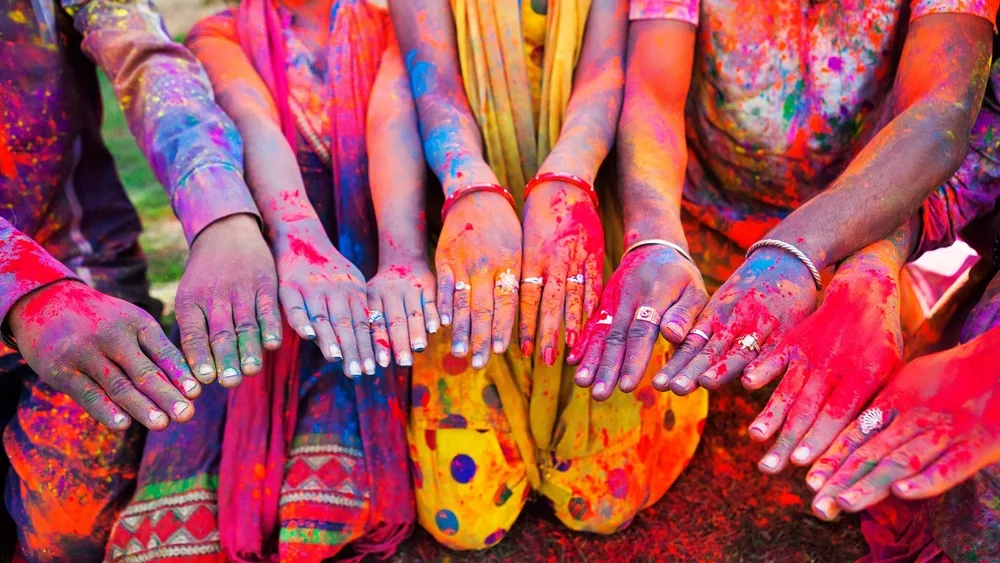
Holi is often called the Festival of Colours, but the celebration has deep cultural and religious meaning. Festivities commonly begin with Holika Dahan, when bonfires are lit on the evening before people gather to throw coloured powders, dance and share food.
The way Holi is celebrated varies across India. Mathura and Vrindavan are renowned for festivities connected with Krishna, while Jaipur, Delhi and many other cities offer their own experiences. Wherever you go, approach the occasion as a guest: learn about local customs, ask before photographing people and choose celebrations run by reputable organisers.
Plan ahead: Wear clothes you don’t mind staining, protect your eyes and phone, and consider using natural, skin-friendly colour. Crowds can be intense, so check local advice and arrange transport back to your accommodation before heading out.
4. Cherry blossom season, Japan
Usually held: March to May, depending on the region
Best for: Beautiful scenery, picnics and a slower cultural experience
Cherry blossom season isn’t one single festival. Instead, communities across Japan hold sakura matsuri as the blossoms move north through the country. Friends and families gather for hanami – the tradition of appreciating the flowers – in parks, beside rivers and around historic landmarks.
Tokyo, Kyoto and Osaka are classic choices, but they aren’t the only places to enjoy the season. Travelling farther north or considering a less famous city may mean fewer crowds and a different view of Japan. Because peak bloom depends on the weather, flexibility is valuable.
Plan ahead: Follow the blossom forecasts published closer to spring, but don’t build your whole holiday around one exact day. Book refundable or flexible accommodation where possible and plan other activities you’ll enjoy if nature runs ahead of – or behind – schedule.
5. Edinburgh Festival Fringe, Scotland
Usually held: August
Best for: Comedy, theatre and discovering something unexpected
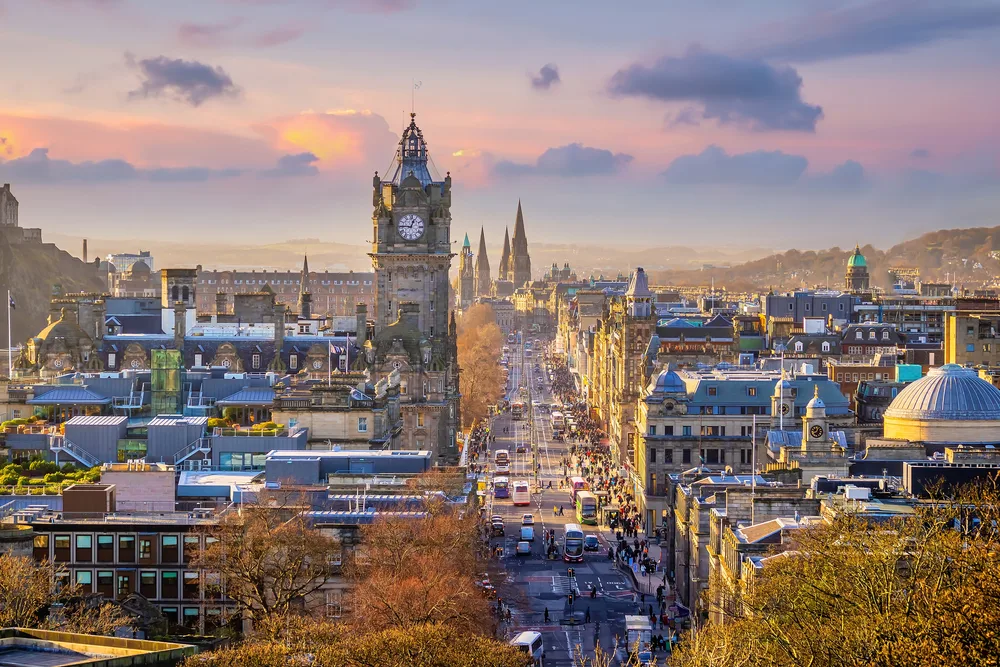
Every August, Edinburgh becomes one enormous stage. Thousands of performers fill theatres, pubs, university halls and pop-up venues with comedy, drama, music, dance, circus and spoken-word shows.
The joy of the Fringe is its variety. You can see an established name in a major venue, then take a chance on a tiny show you spotted on a poster that morning. Edinburgh also hosts several other major cultural events around the same time, including the Edinburgh International Festival and the Royal Edinburgh Military Tattoo.
Plan ahead: Accommodation is often the biggest challenge, so reserve it as soon as your travel dates are firm. Book headline shows in advance, but leave room for spontaneous choices. Edinburgh is hilly, and venues can be spread across the city, making comfortable shoes and realistic gaps between performances essential.
6. La Tomatina, Buñol, Spain
Usually held: The last Wednesday in August
Best for: Travellers who enjoy playful, messy and wonderfully unusual events
For one chaotic hour, the small Spanish town of Buñol becomes the setting for the world’s best-known tomato fight. La Tomatina is colourful, crowded and unlike almost anything else you can put on a holiday itinerary.
The event is ticketed and visitor numbers are controlled. Many people stay in nearby Valencia and travel to Buñol for the day, making it possible to combine the festival with a city or coastal break.
Plan ahead: Only buy entry and transport from reputable sources. Wear closed shoes with a good grip, take eye protection and leave anything valuable behind. Follow the organisers’ safety rules and arrange your journey back before the event begins.
7. Oktoberfest, Munich, Germany
Usually held: Mid-September to early October
Best for: Bavarian traditions, live music and sociable group travel
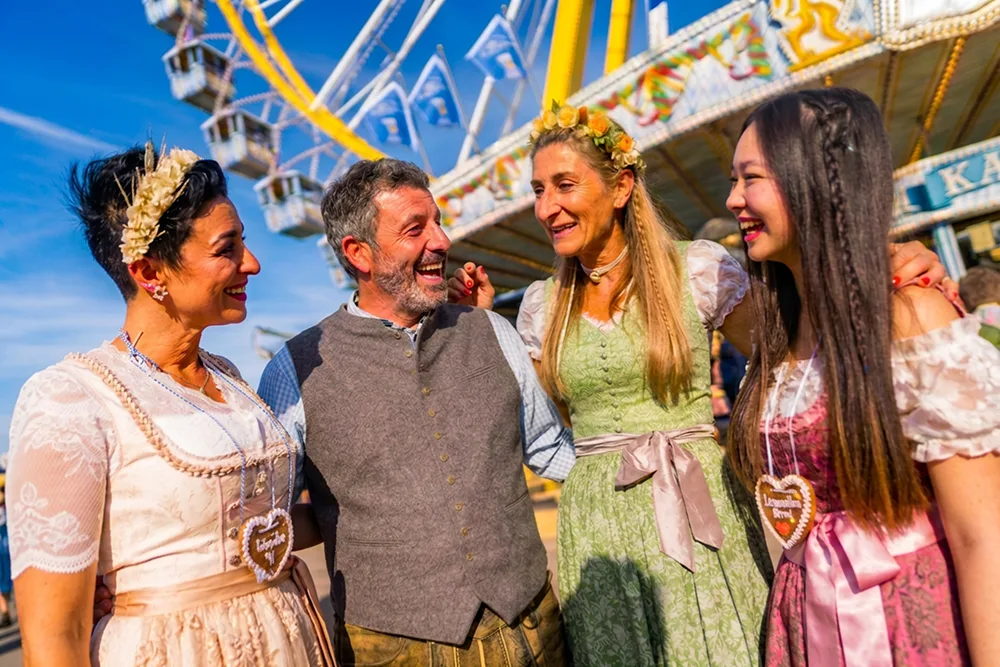
Despite its name, most of Oktoberfest takes place in September. Munich’s famous celebration fills the Theresienwiese with large beer tents, traditional music, parades, fairground rides and Bavarian food.
There’s more to the festival than raising a stein. The opening procession, traditional costumes and historic Oide Wiesn area all offer a glimpse of Bavarian culture. Weekday daytime visits can feel more relaxed than evenings and weekends, particularly for travellers who would rather enjoy the atmosphere without the biggest crowds.
Plan ahead: Entry to the main festival grounds is generally free, but a table reservation may be useful for larger groups or popular sessions. Accommodation prices rise sharply, so look early or consider staying somewhere connected to central Munich by public transport.
8. Día de Muertos, Mexico
Usually held: 1–2 November, with events around these dates
Best for: Tradition, art and meaningful cultural experiences
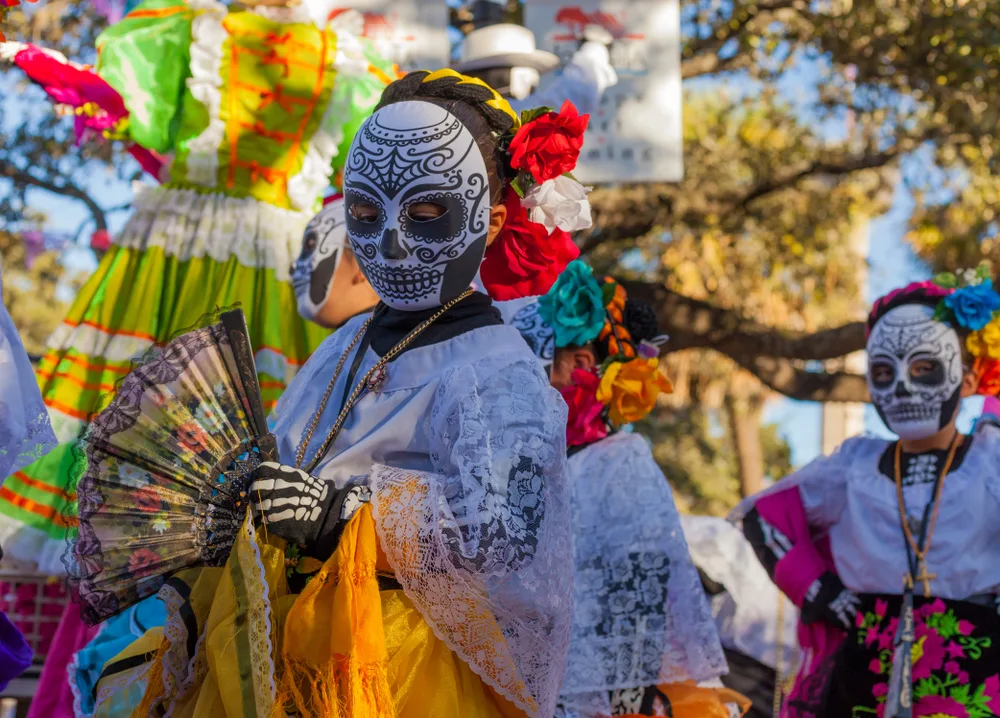
Mexico’s Día de Muertos, or Day of the Dead, is a time for families to remember and celebrate loved ones who have died. Homes and public spaces may feature ofrendas decorated with photographs, candles, marigolds and favourite foods, while some destinations hold parades, exhibitions and other community events.
Celebrations differ from place to place. Mexico City is known for large public events, while Oaxaca and communities around Lake Pátzcuaro are associated with deeply rooted local traditions. This isn’t simply a costume party, so thoughtful, respectful participation matters – particularly in cemeteries and during family observances.
Plan ahead: Research the customs of the place you’re visiting and ask permission before taking close-up photographs. Smaller destinations may have limited accommodation, so book well ahead and use local guides who work respectfully with their communities.
How to plan a festival holiday
A festival may be the highlight, but the trip around it deserves just as much thought. Before you book:
- Check the official dates: Festival timing can change from year to year. Use the organiser’s website rather than relying on an old social post or travel article.
- Secure the hardest booking first: Depending on the event, this might be an entry ticket, accommodation or a particular flight. Check cancellation terms before paying.
- Beware of ticket scams: Popular events attract unofficial resellers and fake websites. Buy through the festival or an authorised ticketing partner wherever possible.
- Allow time around the event: Arriving at least a day early gives you breathing room if your journey is disrupted. Staying longer also lets you experience the destination beyond the crowds.
- Plan for the conditions: Think about heat, rain, altitude, long periods on your feet and access to water, shade or seating. If you have a medical condition, consider how the environment and change in routine could affect you.
- Research accessibility: Contact organisers directly if you need step-free access, accessible seating, quiet spaces, mobility assistance or somewhere to store medication safely.
- Read current travel advice: Check Smartraveller for advice about your destination, including entry requirements, local laws and safety information.
Why Travel Insurance matters for festival trips
Festival holidays can require a significant financial commitment long before you travel. Flights, accommodation and tours may all be booked months ahead – and plans can still be affected by illness, injury, transport delays or lost luggage.
Travel Insurance may help with eligible unexpected costs, depending on the cover you choose and the circumstances of your claim. Buying your policy soon after making your first booking means cancellation cover can begin earlier.
Remember that changing your mind or the festival itself being cancelled may not be covered. Always check the Product Disclosure Statement (PDS) for the limits, conditions and exclusions that apply.
* Any recommendations made about the insurance is general advice only and doesn't take account of your particular needs and circumstances. You must read the Combined Financial Services Guide and Product Disclosure Statement and Target Market Determination before you decide to buy the travel insurance to ensure that it meets your needs and financial situation. Sub-limits, terms, conditions, and exclusions may apply. Please refer to the PDS for full details. The FSG/PDS also contains information about the Cooling Off Period, and how you can access EAA’s privacy policy and complaints handling procedures.
Make the celebration part of a trip to remember
The best festival holidays are about more than a headline event. They’re a chance to experience a destination through its music, food, art and traditions – and to share the moment with people who have travelled from around the world.
Once you’ve found the festival that belongs on your bucket list, start planning early. Secure the bookings that matter most, leave room to explore and arrange your Travel Insurance so you can count down to the celebration with confidence.
Important notice
Any advice provided is general in nature and does not take into account your particular needs and circumstances. Before purchasing the insurance, decide whether this product is right for you by reading the combined Product Disclosure Statement and Financial Services Guide. A Target Market Determination for this product is also available.
You should obtain a copy of the Product Disclosure Statement (PDS) and Target Market Determination (TMD) and consider the PDS and TMD before making any decision whether to acquire the general insurance product .*
The PDS and TMD can be obtained at https://www.allcleartravel.com.au/policy-wordings.
This insurance is underwritten by the insurer Europ Assistance Australia Pty Ltd (EAA) ABN 71140219594, AFSL 552106. AllClear Insurance Services Pty Ltd, ACN 165 270 066, trading as AllClear Travel Insurance, is an Authorised Representative (AR number 1311154) appointed by EAA to distribute and administer this insurance product.
Related Posts
Get expert takes on travel trends, safety updates, and destination news to make smarter travel decisions.